
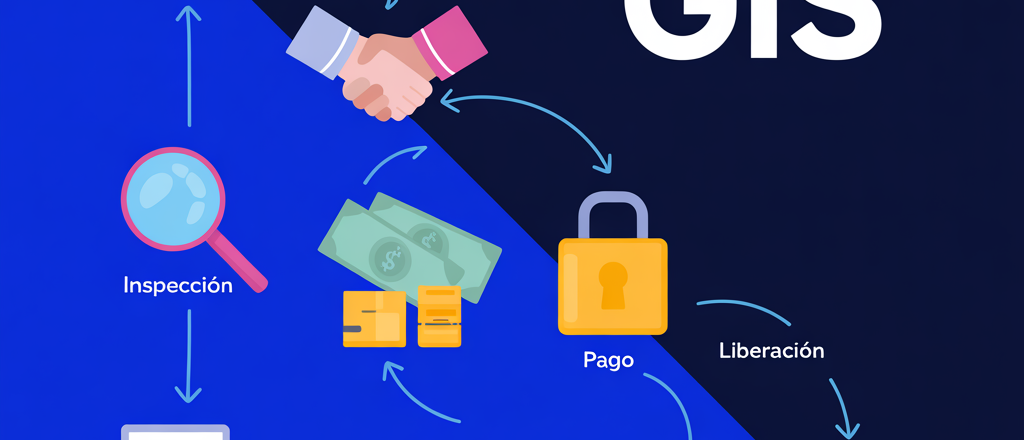
Understanding the Customs Clearance Process Step-by-Step for Mexican Businesses
When it comes to international business, understanding the customs clearance process is fundamental. If you are a business owner in Mexico importing or exporting products, it’s crucial to comprehend how this process works and the steps you need to follow. Here’s a straightforward guide to navigate customs with confidence.
1. Necessary Documentation
The first step in the customs clearance process is ensuring you have all the required documentation. This typically includes:
- Commercial Invoice: A document detailing the sales transaction.
- Packing List: A description of the products being shipped.
- Certificates of Origin: Depending on trade agreements, you may need to demonstrate where products were manufactured.
- Transport Documents: This could be a Bill of Lading, Air Waybill, or a Land Transport Waybill.
At GIS Holdings Limited, we understand the critical role accurate documentation plays in smooth international logistics. Our solutions ensure that your shipping manifests and commercial invoices are meticulously prepared, minimizing delays and compliance issues.
2. Selecting a Customs Broker
Having a good customs broker is key. This professional will handle all necessary procedures with customs, guiding you and ensuring full compliance with regulations. Choosing the right broker can make a significant difference in clearance times and cost reduction.
3. Customs Inspection
Customs authorities will inspect your merchandise to verify that it matches the documentation. This step can be stressful, but a competent customs broker will help prepare the shipment to minimize inconveniences.
4. Payment of Duties and Taxes
Once your merchandise has been reviewed and approved, you will need to pay the corresponding duties and taxes. It’s important to have a budget that includes these costs to avoid surprises. Tariffs vary depending on the product type, so researching specific costs beforehand is recommended.
5. Release of Goods
After paying duties and taxes, you will receive authorization for your merchandise to be released. From this point, acting quickly is important so you can receive or ship your products without further delay.
6. Post-Clearance Control
Once the merchandise has been released and has reached its destination, it is advisable to perform a post-clearance control to ensure there are no legal or quality issues with the imported or exported goods.
Practical Tips
- Communicate Regularly: Maintain fluid communication with your customs broker to resolve doubts and avoid delays.
- Stay Informed on Regulatory Changes: Laws and regulations are constantly changing, so it’s advisable to stay updated.
- Start the Process Early: Always begin the customs clearance process well in advance to avoid unexpected problems that could halt your business.
Conclusion
The customs clearance process, while it may seem complicated, is manageable if you have clarity on each step. With the right documentation and the support of a good customs broker, you can facilitate the import and export of your products effectively. Don’t hesitate to learn more and consult experts as you expand your business. Best of luck!
At GIS Holdings Limited, we streamline your international logistics, offering comprehensive solutions from order management to freight forwarding and SCM, ensuring your goods navigate customs efficiently and cost-effectively.